Achieving Unmatched Precision with Swiss CNC Machining Services
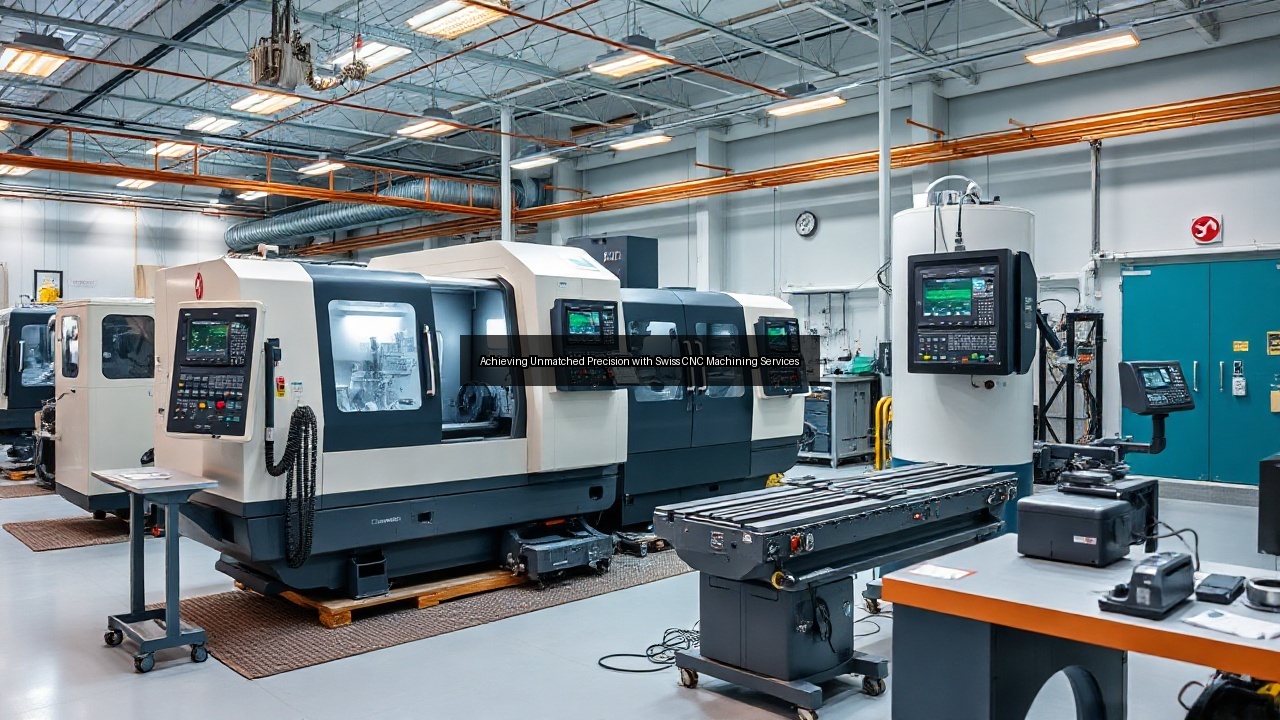
The Advantages of Swiss CNC Machining Services
High Precision and Accuracy in Machining
Swiss CNC machining services deliver unparalleled precision and accuracy, setting a benchmark in the machining industry. This technique employs advanced CNC machines equipped with specialized spindles that facilitate intricate cuts and shapes. Unlike traditional machining methods, Swiss machining focuses on producing small, complex parts with tight tolerances, often within a few microns. Components such as pins, screws, and various fasteners benefit from this method, achieving remarkable detail that enhances overall functionality. The combination of superior engineering and cutting-edge technology allows manufacturers to meet demanding specifications, especially in industries where precision is non-negotiable.
Enhanced Efficiency and Speed of Production
Efficiency and speed are paramount in manufacturing, particularly in high-volume production environments. Swiss CNC machining excels in these areas due to its unique design and operational workflow. This machining process allows for simultaneous operations, meaning that multiple tasks can occur concurrently. For example, while one part is being machined, another can be prepared for subsequent operations. This parallel processing significantly boosts throughput, reducing cycle times and increasing productivity. Manufacturers like McCormick Industries have adopted Swiss machining services to optimize their operations, ensuring timely delivery of components without compromising quality.
Diverse Material Compatibility: From Stainless Steel to Nylon
Swiss machining services offer exceptional versatility in terms of material compatibility. Whether working with stainless steel, copper, nylon, acetal, or even Teflon (PTFE), these services can accommodate a wide range of materials. This adaptability makes Swiss machining an ideal choice for various applications, from aerospace components that require robust materials to medical devices needing lightweight yet durable options. The ability to utilize diverse materials allows manufacturers to tailor their products based on specific performance requirements, ensuring that every piece meets its intended purpose while maintaining structural integrity.
Key Technologies and Techniques in Swiss Machining
CNC Turning and Milling: The Core Processes
CNC turning and milling form the backbone of Swiss machining services. CNC turning involves rotating the workpiece against a stationary cutting tool, allowing for the creation of cylindrical parts with high precision. This process is ideal for producing components such as screws and pins that require symmetrical shapes. Conversely, CNC milling uses rotating cutting tools to remove material from a stationary workpiece, enabling the fabrication of complex geometries and features. By integrating both turning and milling, Swiss machining achieves a level of versatility that few other processes can match, making it essential for industries demanding high-quality output.
Innovative Tools and Cutting Techniques
The effectiveness of Swiss CNC machining derives from its innovative tools and cutting techniques. Specialized cutting tools, designed for specific materials and applications, enhance the machining process by minimizing wear and maximizing efficiency. These tools facilitate smooth finishes and precise cuts, critical for maintaining tight tolerances. Moreover, advanced cutting techniques, such as high-speed machining, allow for faster production times without sacrificing quality. Manufacturers continuously invest in research and development to refine these tools and techniques, ensuring they stay at the forefront of the machining industry.
Threading and Tolerances: The Swiss Advantage
Threading and achieving tight tolerances represent a significant advantage of Swiss machining. The process of threading involves creating helical ridges on a workpiece, essential for screw machined components. Swiss CNC machines excel in producing threads with exceptional accuracy, which is crucial in applications requiring precise fittings. Additionally, Swiss machining’s ability to maintain tolerances within a few microns sets it apart from conventional machining services. This precision ensures that components fit together seamlessly, reducing the risk of failure in critical applications such as aerospace and medical devices.
Applications of Swiss Machining in Various Industries
Aerospace: Meeting Stringent Standards
The aerospace industry demands the highest levels of precision and reliability, making Swiss machining services indispensable. Components such as turbine blades, landing gear parts, and various fasteners require strict adherence to specifications and rigorous testing. Swiss CNC machining offers the ability to produce these complex parts while meeting stringent industry standards. The lightweight yet durable components achieved through this method contribute to overall aircraft performance and safety, highlighting the importance of precision machining in aerospace applications.
Automotive Components: High-Volume Production
In the automotive sector, Swiss machining services play a crucial role in high-volume production of essential components. Parts such as fuel injectors, valve guides, and transmission components require a high degree of accuracy and consistency. Swiss CNC machines can efficiently produce these components at scale, ensuring that manufacturers meet market demands without sacrificing quality. The integration of Just-In-Time (JIT) manufacturing practices further enhances efficiency, allowing automotive producers to maintain lean inventories while still fulfilling customer requirements.
Medical Devices: Precision Machined Solutions
Medical devices represent another critical area where Swiss machining services shine. The production of surgical instruments, implantable devices, and diagnostic equipment demands exceptional precision and reliability. Swiss CNC machining allows for the fabrication of intricate designs, often incorporating features that enhance functionality and usability. The ability to work with biocompatible materials further reinforces the suitability of Swiss machining for medical applications. Manufacturers can confidently produce components that meet strict regulatory standards while ensuring patient safety and product efficacy.
Quality Assurance and Logistics in Swiss Machining
ISO 9001 Compliance: Ensuring Quality
Quality assurance remains a cornerstone of Swiss machining services. Many manufacturers adhere to ISO 9001 standards, which outline rigorous quality management principles. Compliance with these standards ensures that every aspect of the machining process, from initial design through final inspection, meets predetermined quality criteria. This commitment to quality fosters trust among clients, especially in industries where precision and reliability are paramount. By implementing robust quality control measures, manufacturers can consistently deliver superior products that meet or exceed customer expectations.
Just-In-Time (JIT) Manufacturing for Efficiency
Just-In-Time (JIT) manufacturing enhances the efficiency of Swiss machining services. This approach minimizes waste by producing components only as needed, reducing inventory costs and streamlining operations. Manufacturers can synchronize their production schedules with customer demand, ensuring that components are available when required without excess stock. JIT practices, combined with the efficiency of Swiss CNC machining, create a dynamic production environment that adapts to changing market needs while maintaining high quality and performance standards.
Logistics Management: Streamlining the Supply Chain
Effective logistics management is vital for optimizing the Swiss machining process. Coordinating the supply chain ensures that materials arrive on time and in the right quantities, facilitating uninterrupted production. Companies benefit from advanced logistics strategies that integrate technology for tracking shipments, managing inventory, and forecasting demand. By streamlining logistics, manufacturers can enhance their operational efficiency, reduce lead times, and maintain a competitive edge in the market. Successful logistics management complements the precision of Swiss machining, ensuring that high-quality components reach their destinations promptly.
See Also
- How McCormick Industries is Revolutionizing Swiss Screw Machining
- Understanding ISO 9001 Standards in Swiss Machining Services
- The Future of CNC Machining How Swiss Techniques are Leading the Way
- Enhancing Product Quality with Swiss Machining Fabrication Techniques
- The Evolution of Swiss Machining in Modern Manufacturing