The Essential Guide to Choosing the Best Commercial Dehumidifier
Understanding Commercial Dehumidifiers
What is a Commercial Dehumidifier?
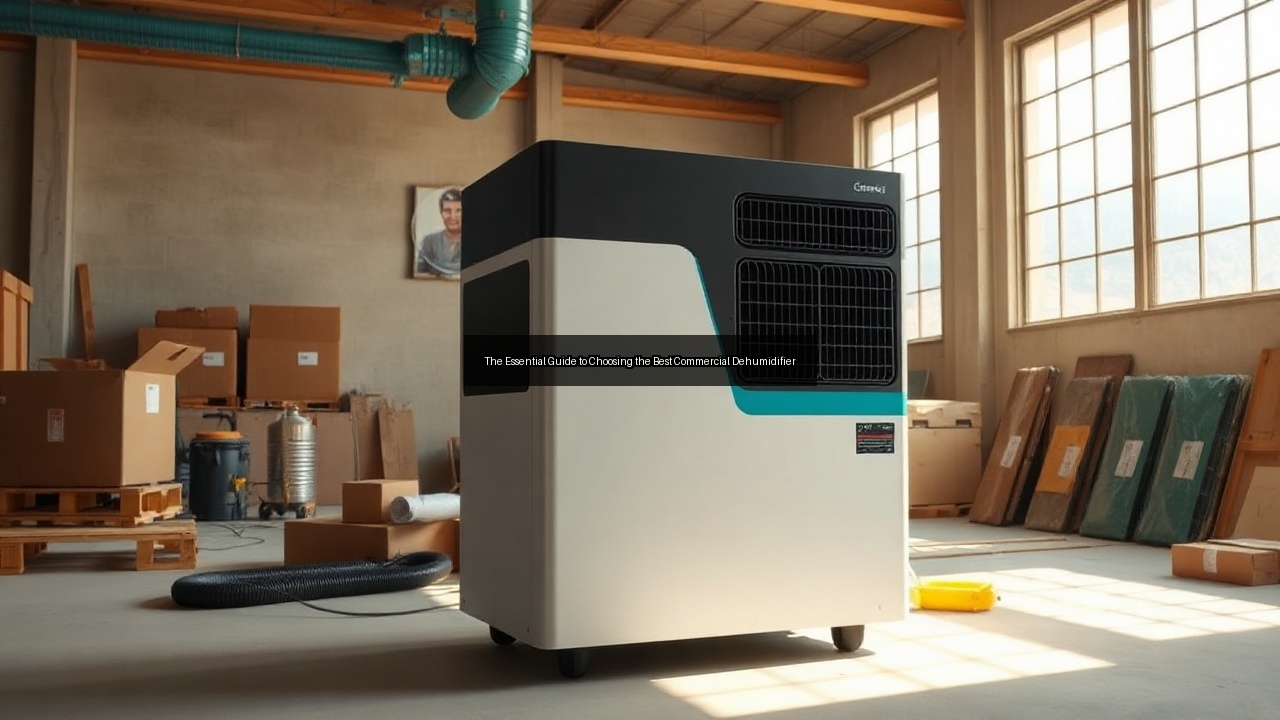
A commercial dehumidifier is a powerful device designed to remove excess moisture from the air in large spaces. Unlike residential models, these units are built to handle significant humidity levels and cater to various commercial environments such as warehouses, construction sites, and spas. They come in different sizes and capacities to meet the specific needs of each application. With features like continuous drainage options and high extraction rates, commercial dehumidifiers ensure that humidity control is maintained, preventing damage and maintaining air quality in spaces that require stringent moisture management.
How Do Commercial Dehumidifiers Work?
Commercial dehumidifiers operate on a straightforward principle: they draw in humid air, remove moisture, and release dry air back into the environment. Most models utilize refrigerant coils to cool the air, causing moisture to condense and collect in a reservoir or drain. This process is known as dehumidification. Some units employ a pump and hose system for efficient drainage, allowing continuous operation without the need for manual emptying. Understanding the mechanics of these devices helps businesses select the right type of dehumidifier for their specific moisture control needs.
Key Features to Look For in a Commercial Dehumidifier
When selecting a commercial dehumidifier, certain features enhance performance and user experience. Capacity, measured in pints of water removal per day, indicates how much moisture a unit can handle. Look for models with adjustable humidity settings and built-in hygrometers for precise humidity control. Energy efficiency is crucial; units with Energy Star ratings reduce operational costs while providing effective moisture removal. Additionally, consider airflow capabilities, often measured in cubic feet per minute (CFM), as high airflow ensures faster drying times and better temperature regulation in large spaces.
Factors to Consider When Choosing a Commercial Dehumidifier
Sizing Your Dehumidifier: Pints vs. Space
Correctly sizing a commercial dehumidifier is essential for effective operation. The unit's capacity, often expressed in pints, should align with the size of the space where it will be used. A larger area requires a dehumidifier with a higher pint capacity to manage humidity effectively. Factors such as the room's temperature, the number of occupants, and the presence of moisture sources (like nearby water pipes or frequent washing activities) also influence sizing decisions. It's crucial to calculate the right capacity for the space to avoid underperformance or excessive energy consumption from an oversized unit.
Evaluating Energy Efficiency: Energy Star Ratings
Energy efficiency plays a significant role in selecting a commercial dehumidifier. Look for units with Energy Star ratings, which indicate compliance with strict energy efficiency guidelines set by the Environmental Protection Agency. These models not only consume less electricity but also lead to lower operating costs over time. Choosing an energy-efficient dehumidifier reduces the environmental impact while providing cost-effective humidity control. Ensure you assess the energy consumption in relation to the dehumidification capacity to make a well-informed choice.
Assessing Airflow and CFM Requirements
Airflow is a critical factor for effective moisture control in commercial environments. The airflow rate, measured in cubic feet per minute (CFM), determines how quickly a dehumidifier can circulate air and remove moisture. A unit with sufficient CFM capabilities can significantly improve humidity control and reduce drying times, especially in large areas such as warehouses or construction sites. When evaluating CFM requirements, consider the size of the space and any obstacles that may impede air circulation, ensuring that the selected dehumidifier can deliver optimal performance.
Applications and Benefits of Commercial Dehumidifiers
Dehumidification in Construction and Renovation
Construction sites often face high humidity levels that can impede progress and compromise the integrity of materials. Commercial dehumidifiers play a vital role in these settings by removing moisture from the air, accelerating drying times for paint, drywall, and concrete. This rapid dehumidification not only speeds up project timelines but also prevents issues such as warping, mold growth, and structural damage. Contractors should consider incorporating these units into their plans to maintain optimal working conditions and protect their investments.
Moisture Control in Warehouses and Storage
Maintaining proper humidity levels in warehouses and storage facilities is crucial for preserving the quality of goods and materials. Excess moisture can lead to product spoilage, rusting of metal components, and mold growth, all of which can incur significant costs. A commercial dehumidifier ensures consistent humidity control, protecting inventory and enhancing the overall environment. By managing moisture effectively, businesses can reduce losses and maintain the integrity of their stored products, ultimately leading to increased customer satisfaction and operational efficiency.
Preventing Mold and Flood Damage in Commercial Spaces
Mold growth poses a significant risk in commercial spaces, particularly in areas prone to flooding or high humidity. A commercial dehumidifier acts as a proactive measure against mold, controlling moisture levels and creating an inhospitable environment for mold spores to thrive. Regular use of dehumidifiers in basements, storage rooms, and other vulnerable areas significantly reduces the risk of mold infestations. Moreover, these units help mitigate the damage from flooding by drying out affected areas quickly, preventing further complications and costly repairs.
Installation and Maintenance Tips for Commercial Dehumidifiers
Connecting Pump and Hose Systems
Proper installation of a commercial dehumidifier is crucial for optimal performance. Many units come equipped with a pump and hose system for continuous drainage, allowing for uninterrupted operation. When setting up, ensure that the pump is connected securely to the drainage hose, directing water away from sensitive areas. Regularly inspect these connections for leaks or blockages to maintain efficiency. A well-installed system not only enhances the unit's effectiveness but also reduces the risks associated with water damage and overflow.
Integrating with HVAC Systems
Integrating a commercial dehumidifier with existing HVAC systems can significantly enhance overall humidity control. This integration allows for a more comprehensive approach to air quality management, ensuring that both temperature and humidity are kept at optimal levels. Properly configured, the dehumidifier can work in tandem with the HVAC system to maintain consistent indoor conditions, improving comfort and reducing energy consumption. Consult with HVAC professionals to ensure seamless integration and maximize the benefits of both systems.
Monitoring Temperature and Humidity Levels
Regular monitoring of temperature and humidity levels is essential for effective moisture control. Many commercial dehumidifiers come with built-in hygrometers that provide real-time data, helping users make informed decisions about their settings. Establish a routine to check humidity levels, adjusting the dehumidifier settings as necessary to respond to changing conditions. This proactive approach ensures that the space remains adequately dehumidified, preventing potential issues such as mold growth and structural damage, ultimately preserving the integrity of the environment.