The Role of Alloy Selection in Skid Fabrication Quality
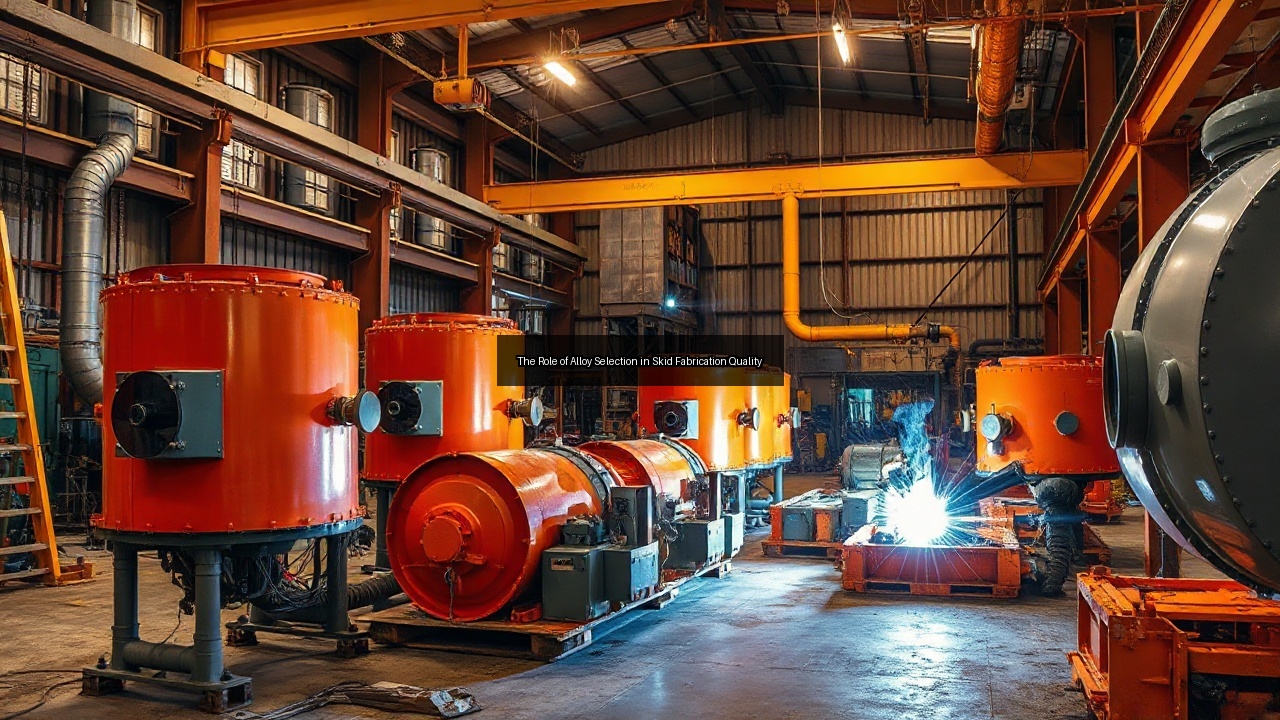
Understanding Alloy Selection in Skid Fabrication
Importance of Alloy Properties
Alloy selection plays a pivotal role in skid fabrication, influencing the overall performance and durability of the final product. The properties of various alloys determine their suitability for specific applications, especially in demanding environments like the oil and gas industry. Key attributes such as corrosion resistance, strength, and weldability directly impact the fabrication process and the longevity of skid fabrication company modular process skids. For instance, stainless steel alloys are favored for their resistance to oxidation and rust, while carbon steel alloys are known for their strength and affordability. Selecting the right alloy not only enhances the quality of the fabrication but also ensures compliance with industry standards and safety regulations.
Common Alloys Used in Skid Fabrication
Several alloys dominate the landscape of skid fabrication, each serving distinct purposes based on their unique characteristics. Stainless steel, particularly grades 304 and 316, is frequently used due to its exceptional corrosion resistance and aesthetic appeal. Carbon steel, often galvanized or coated, offers a cost-effective solution for structural components where extreme corrosion resistance is less critical. Aluminum alloys, lightweight and strong, find their use in applications requiring reduced weight without compromising structural integrity. Manufacturers also consider custom alloy formulations to meet specific project requirements, thereby enhancing the functionality and performance of modular skids in various applications.
Impact of Alloy Choice on Fabrication Process
The choice of alloy significantly influences the skid fabrication process, affecting both machining and welding techniques. Different alloys require varying approaches to cutting, shaping, and assembling components. For example, stainless steel's toughness may necessitate specialized machining tools and techniques to achieve precise dimensions. Similarly, welding methods vary with alloy types. Some alloys may require preheating or specific filler materials to ensure strong joints. Understanding these nuances is essential for manufacturers to streamline the fabrication process and maintain high standards of quality control. Ultimately, selecting the right alloy not only enhances the fabrication efficiency but also minimizes waste and rework, leading to better cost management.
The Modular Process Skid: A Comprehensive Overview
Defining Modular Process Skids
Modular process skids represent a revolutionary approach in industrial design and construction. These pre-engineered units integrate various systems and components into a single assembly, facilitating easier transportation and installation. Designed to meet specific operational requirements, modular skids can include everything from pumps and compressors to control systems and piping. Their modular nature allows for flexibility in design, enabling customization to suit unique project needs. This approach significantly reduces on-site assembly time, streamlining the overall construction process, which is particularly beneficial in industries such as oil and gas, where efficiency and speed are paramount.
Applications in the Oil and Gas Industry
The oil and gas industry widely adopts modular process skids for various applications, including wellhead systems, chemical injection units, and separation systems. Their compact and robust design allows for easy deployment in remote locations, where traditional construction methods may pose challenges. Modular skids can be engineered to meet specific environmental and operational criteria, custom skid fabrication ensuring compliance with regulatory requirements. This adaptability makes them ideal for projects that demand rapid scalability and flexibility, enabling companies to respond swiftly to market changes or operational needs. The reliability and efficiency of modular skids contribute significantly to optimizing production and enhancing overall project performance.
Advantages of Modular Skids in Construction
Modular skids offer numerous advantages in construction, particularly in terms of time, cost, and quality. Pre-fabrication allows for simultaneous construction and site preparation, reducing project timelines significantly. This efficiency translates to lower labor costs and minimized disruption to ongoing operations. Additionally, the controlled environment of fabrication shops enhances quality assurance, ensuring that each component meets stringent quality standards before reaching the site. Modular skids also facilitate easier integration with existing infrastructure, promoting seamless upgrades or expansions. Overall, the use of modular skids in construction not only improves project delivery timelines but also optimizes resource utilization and enhances safety protocols.
Quality Control and Assurance in Skid Fabrication
Welding Techniques and Their Impact on Quality
Welding techniques serve as a cornerstone of skid fabrication quality. Different alloys require specific welding methods to ensure strong, durable joints. For instance, TIG welding is often preferred for stainless steel due to its precision and control, while MIG welding may be utilized for carbon steel applications. Proper welding techniques reduce the risk of defects, such as porosity or cracking, which skid fabrication shop can compromise the integrity of the skid. Manufacturers must prioritize training and certification for welders to maintain high-quality standards. Additionally, implementing rigorous inspection processes during and after welding ensures that each joint meets the required specifications, contributing to the overall quality of the modular process skid.
Role of Quality Management in Alloy Selection
Quality management plays a crucial role in the alloy selection process for skid fabrication. Manufacturers must evaluate not only the mechanical properties of alloys but also their performance in specific applications. Adopting a comprehensive quality management system helps in assessing supplier reliability, material consistency, and compliance with industry standards. Regular audits and material testing ensure that the selected alloys meet the stringent requirements of the oil and gas industry. By integrating quality management practices into alloy selection, companies can achieve higher fabrication quality, minimize risks, and enhance overall project outcomes.
Technologies Used in Quality Assurance
Modern technologies significantly enhance quality assurance in skid fabrication. Advanced inspection techniques, such as ultrasonic testing and X-ray analysis, allow for non-destructive evaluation of welded joints and structural integrity. These technologies enable manufacturers to detect potential flaws early in the fabrication process, preventing costly errors down the line. Additionally, software solutions for project management and quality tracking streamline documentation and compliance processes. By leveraging these technologies, fabrication companies can maintain high-quality standards, ensure safety, and boost customer confidence in their modular skid products.
Cost and Risk Management in Skid Fabrication Projects
Balancing Cost and Quality in Alloy Selection
Balancing cost and quality during alloy selection is a critical aspect of skid fabrication. While high-quality alloys may come with a higher price tag, their durability and performance can lead to long-term savings by reducing maintenance and replacement costs. Companies must conduct a thorough cost analysis, considering factors such as lifecycle performance and project requirements. Engaging with suppliers to negotiate pricing and explore alternative alloys can also provide opportunities for cost reduction without compromising quality. Ultimately, finding the right balance between cost and quality ensures that manufacturers deliver reliable modular skids that meet client expectations and regulatory standards.
Licensing and Compliance Considerations
Licensing and compliance considerations are vital in skid fabrication projects, especially in highly regulated industries like oil and gas. Companies must adhere to various local, national, and international regulations governing materials, fabrication processes, and safety standards. Ensuring compliance not only protects the company from legal repercussions but also enhances its reputation in the industry. Manufacturers should maintain up-to-date knowledge of relevant regulations and obtain necessary certifications for their materials and processes. Collaborating with experienced consultants or legal experts can provide valuable insights into compliance requirements, helping companies navigate the complexities of licensing and regulatory obligations.
Expert Tips for Reducing Fabrication Risks
Reducing fabrication risks involves a proactive approach to project management and execution. First, conduct thorough risk assessments to identify potential issues at all stages of the fabrication process. Implementing robust quality control measures, such as regular inspections and testing, can mitigate risks related to material failure or non-compliance. Additionally, investing in skilled labor and providing ongoing training ensures that workers are equipped to handle complex fabrication tasks safely and effectively. Establishing clear communication channels among team members and stakeholders fosters collaboration and quick problem-solving. By adopting these expert tips, skid fabrication companies can enhance project success and minimize the likelihood of costly setbacks.