Spun Aluminum vs Traditional Metals Which is the Right Choice for Your Project
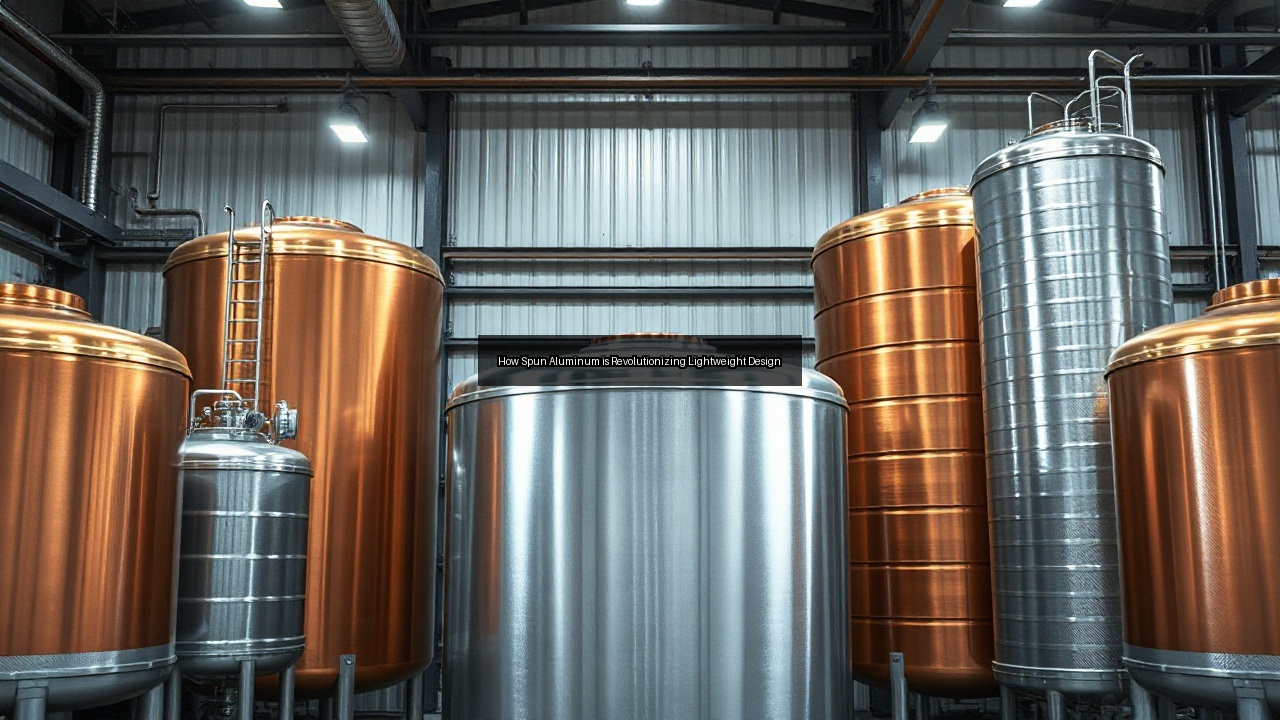
Understanding Spun Aluminum and Its Benefits
What is Spun Aluminum?
Spun aluminum forms through the metal spinning process where a flat aluminum disc rotates at high speed on a lathe while rollers press it against a mandrel to create symmetrical shapes. This technique produces seamless components like tanks, cones, and enclosures without welds or joints. Manufacturers apply spun aluminum in aerospace housings and industrial vessels because the process maintains material integrity while allowing complex curves. Spinning aluminum alloy yields consistent wall thickness and smooth surfaces that reduce finishing steps. Workers control the pressure and speed to avoid thinning or cracking, resulting in strong, lightweight parts that outperform cast alternatives in many structural roles. The method supports both prototype runs and high-volume production with minimal tooling changes.
Advantages of Spun Aluminum Over Traditional Metals
Spun aluminum delivers superior strength-to-weight ratios compared with steel or brass because the spinning action aligns grain structure and eliminates weak points from stamping. It resists denting better than many stamped metals while remaining easy to machine after forming. Fabricators achieve tighter tolerances with aluminum metal spun parts, cutting assembly time and scrap rates. The process also lowers material waste since it starts with a single disc rather than multiple sheets. Spun Al components conduct heat efficiently for heat exchangers and reflect light well for lighting fixtures. These traits make spun aluminum alloys a practical upgrade when projects demand both durability and reduced mass without sacrificing performance under load.
Applications of Spun Aluminum in Various Industries
Automotive suppliers rely on spun aluminum for fuel tanks and exhaust components that must endure vibration and temperature swings. Aerospace engineers specify metal spinning for nose cones and satellite dishes because the resulting parts maintain balance at high speeds. Food processing plants use spun aluminum vessels for mixing tanks that resist corrosion from acidic contents. Architectural firms incorporate spun aluminum spinnings into decorative domes and column covers that weather well outdoors. Medical device makers form sterilization chambers and reflector housings from spinning aluminum alloy to meet strict cleanliness standards. Each sector values the seamless construction that prevents leaks and simplifies cleaning across demanding environments.
Comparative Analysis: Spun Aluminum vs Traditional Metals
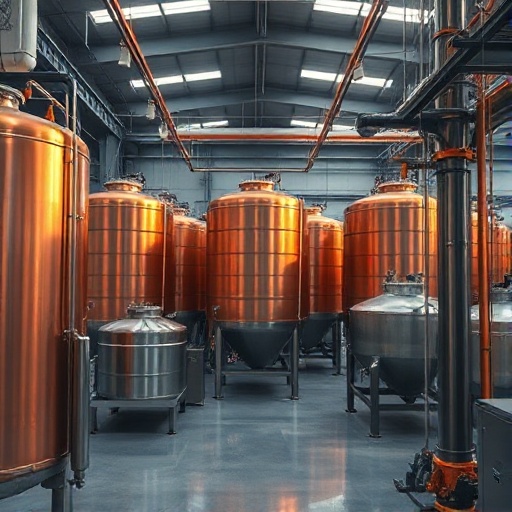
Weight and Durability: A Comparative Insight
Spun aluminum weighs roughly one-third as much as steel equivalents while retaining comparable tensile strength after proper heat treatment. This weight savings translates directly into lower shipping costs and easier installation for large tanks or enclosures. Traditional metals like stainless steel offer higher hardness in some grades, yet they add unnecessary mass when aluminum metal spun parts suffice. Durability testing shows spun aluminum alloys withstand cyclic loading without fatigue cracks because the continuous grain flow distributes stress evenly. In contrast, stamped metals can develop stress risers at bend lines that shorten service life. Projects requiring frequent movement or overhead mounting consistently favor spun aluminum for its balanced strength and reduced heft.
Cost Efficiency in Production: Spun Aluminum vs Metal Stamping
Metal spinning reduces upfront tooling expenses because a single mandrel set replaces multiple progressive dies required for stamping. Production runs of spun aluminum therefore reach breakeven faster on low-to-medium volumes. Labor costs drop as well since operators complete forming in one setup rather than several press stations. Scrap rates remain lower with spinning because excess material stays on the disc until trimmed, unlike stamping where blanking creates waste skeletons. When comparing total landed cost, spun aluminum often undercuts stamped copper or steel for round or conical shapes. Manufacturers that switch to metal spinning report faster design iterations and fewer engineering changes during early production phases.
Performance in Different Environments: Corrosion Resistance and Heat Conductivity
Spun aluminum develops a natural oxide layer that protects against atmospheric corrosion better than untreated steel in marine or industrial settings. Anodizing further boosts resistance without adding significant weight. Copper offers excellent conductivity yet corrodes faster in acidic conditions and costs more per pound. Heat transfer rates favor aluminum in heat sinks and cooling tanks because its thermal conductivity rivals copper at a fraction of the price. Spun aluminum alloys maintain performance across wide temperature ranges without warping, while some traditional metals expand unevenly and require extra allowances. These material traits guide engineers toward spun aluminum when projects face mixed exposure to moisture, chemicals, and thermal cycling.
The Metal Spinning Process Explained
Overview of the Metal Spinning Process
Metal spinning begins with a circular blank clamped against a rotating mandrel. Hydraulic rollers apply progressive pressure to stretch the metal over the form, creating the desired contour in stages. Operators adjust feed rates and roller angles to control wall thickness and surface finish. Modern CNC spinning machines automate these movements for repeatability on complex profiles. The process accommodates diameters from a few inches to several feet and supports both manual and automated lines. Because spinning occurs at room temperature for most aluminum grades, it avoids the scale and distortion associated with hot forming methods. Finished parts emerge with smooth interiors that often need only light polishing before assembly or coating.
Materials Used in Metal Spinning: Aluminum vs Other Metals
Aluminum alloys such as 1100, 3003, and 6061 respond well to spinning because they combine ductility with moderate strength. These grades allow deep draws without intermediate annealing. Copper and brass spin cleanly but require more frequent annealing to prevent work hardening. Stainless steel demands higher forces and specialized lubricants yet yields parts with superior corrosion resistance for harsh chemical tanks. Carbon steel works for structural spinnings where cost matters more than weight. Each material dictates different roller pressures and speeds during the metal spinning process. Designers select aluminum when weight reduction and thermal properties outweigh the higher strength of steel or the conductivity of copper for a given application.
Quality Control in Metal Spinning: Ensuring Precision and Strength
Inspectors measure wall thickness at multiple points along each spun aluminum part to verify uniformity within specified tolerances. Ultrasonic testing detects internal voids or laminations that could compromise pressure vessels. Surface profilometers confirm finish quality before any secondary machining. Dimensional checks against the mandrel drawing ensure concentricity and roundness critical for rotating assemblies. Material certification accompanies every batch to confirm alloy composition and temper. When defects appear, operators trace them to feed rate or roller angle adjustments and correct the setup immediately. This disciplined approach delivers spun aluminum components that meet aerospace and pressure vessel standards without post-process heat treatment in most cases.
Choosing the Right Material for Your Project
Factors to Consider When Selecting Between Spun Aluminum and Traditional Metals
Engineers evaluate operating temperature, pressure requirements, and environmental exposure first. Spun aluminum suits moderate temperatures and non-extreme pressures where weight savings improve efficiency. Traditional metals become necessary when hardness or extreme corrosion resistance dictates material choice. Budget constraints favor spinning for round geometries because tooling costs stay low. Volume projections matter too; high quantities may justify stamping dies, yet moderate runs keep metal spinning economical. Designers also weigh secondary operations such as welding or coating compatibility. Matching these variables to the strengths of each process prevents costly redesigns after initial prototypes reach testing.
Case Studies: Successful Projects Using Spun Aluminum
A chemical plant replaced welded stainless steel mixing tanks with spun aluminum vessels and cut unit weight by 60 percent while maintaining leak-free performance under continuous agitation. An outdoor lighting manufacturer switched from stamped steel reflectors to spun aluminum alloys and reduced shipping weight enough to lower freight charges across national distribution. Aerospace contractors formed satellite antenna dishes from spinning aluminum alloy and achieved tighter surface tolerances than previous cast parts, improving signal clarity. Each case demonstrates how the metal spinning process delivered measurable gains in cost, weight, and reliability without sacrificing structural demands.
Future Trends in Metal Spinning and Material Selection
Automation continues to expand the capabilities of metal spinning with robotic roller arms that handle larger diameters and thicker gauges. New aluminum alloys with improved formability allow deeper draws and thinner walls while retaining strength. Hybrid processes combine spinning with flow forming to produce variable-thickness sections that optimize material use. Sustainability initiatives push manufacturers toward recycled aluminum content in spun parts because the process generates little waste. Digital simulation tools now predict forming limits before any metal touches the mandrel, shortening development cycles. These advances position spun aluminum as an increasingly versatile option across industries seeking efficient, high-performance components.
See Also
- Innovative Applications of Spun Aluminum in Modern Manufacturing
- Why Spun Aluminum is the Future of Lightweight Design
- A Deep Dive into Spun Aluminum Alloys What You Need to Know
- Exploring the Versatility of Spun Aluminum in Aerospace Engineering
- The Environmental Benefits of Using Spun Aluminum Over Other Metals